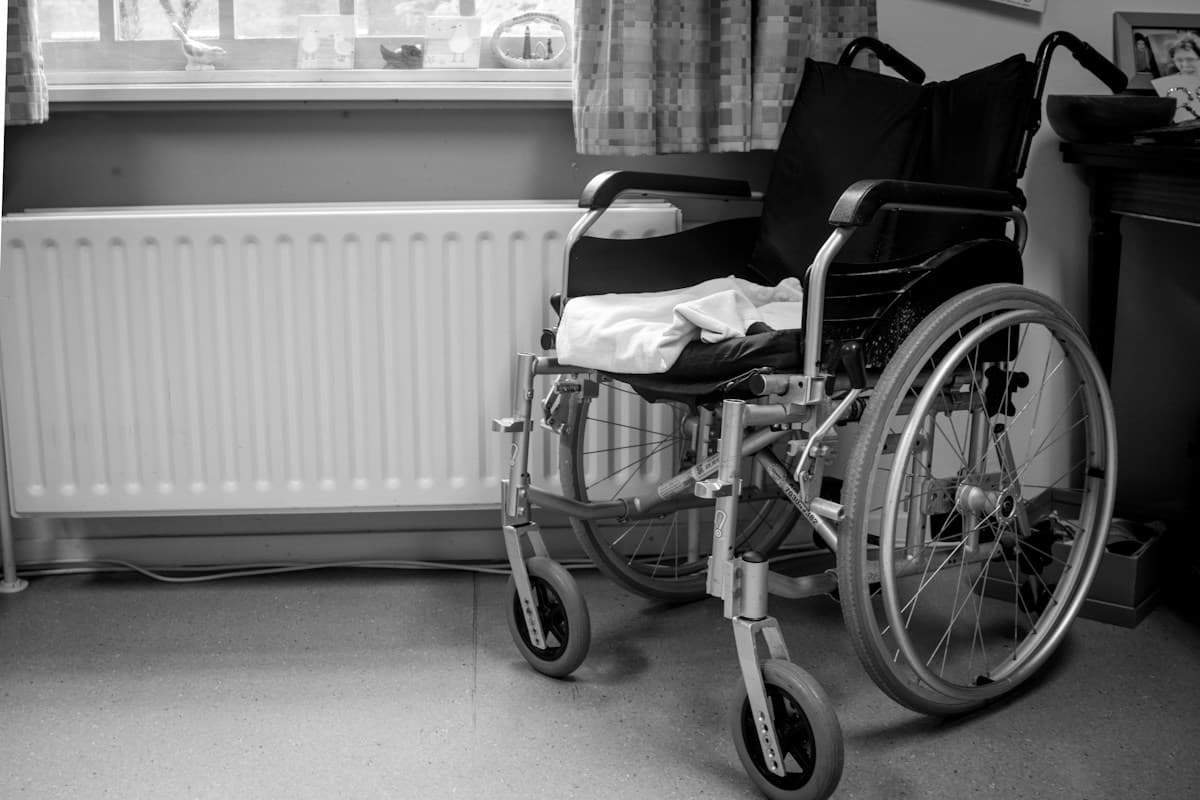
Why Spinal Cord Injury Cases Are Different
Many injury claims focus on bills that have already come in. A spinal cord injury claim has to look forward. The costs do not stop after the first year. Care at home, equipment, medications, and repeat hospital stays continue, and estimates from the National Spinal Cord Injury Statistical Center (NSCISC) show that for people injured at age 25 or 50, most of the estimated lifetime cost comes after the first year. An offer that covers only today's expenses can leave you short when you need the money most.
A consultation with us is free, and there is no obligation. If we take your case, you owe no fee and no costs unless we recover money for you.
Understanding Spinal Cord Injuries
Complete and incomplete injuries
The spinal cord carries signals between the brain and the rest of the body. When it is damaged, those signals can be partly or fully blocked below the injury. Doctors describe the damage as complete or incomplete:
- Complete injury: no nerve signals cross the injury site, so feeling and muscle control are generally lost below it.
- Incomplete injury: some signals still get through, so some feeling, movement, or muscle control remains below the injury. How much remains differs from person to person.
Early on, doctors often cannot say how much function will return. According to NSCISC's 2026 Facts and Figures, fewer than 1% of people with a traumatic spinal cord injury had a complete neurological recovery by the time they left the hospital.
Paraplegia and tetraplegia
Where the injury happens on the spine matters. An injury in the neck can cause tetraplegia, also called quadriplegia: some degree of paralysis in the arms and hands as well as the trunk and legs. An injury lower on the spine can cause paraplegia, which affects the lower body and legs.
Paralysis is only part of the picture. A spinal cord injury can also affect breathing, bladder and bowel control, blood pressure, and sexual function. It can cause chronic nerve pain, muscle stiffness and spasms, and pressure sores.
Common Causes of Spinal Cord Injuries
According to NSCISC's 2026 Facts and Figures, vehicle crashes and falls account for almost 70% of recent traumatic spinal cord injuries in its national database. Acts of violence, mostly gunshot wounds, and sports and recreation injuries account for about 23%.
Spinal cord injury claims often arise from:
- Car, truck, and motorcycle crashes
- Pedestrian and bicycle accidents
- Falls from stairs, balconies, ladders, and scaffolding
- Slip and falls on unsafe floors and walkways
- Diving into water that is too shallow, such as a pool or lake
- Shootings and assaults on property with inadequate security
- Defective vehicles, safety equipment, and other products
Diving deserves a special warning. NSCISC's 2026 data on recent causes lists diving as the most common sports and recreation cause of traumatic spinal cord injury.
Why Life-Care Planning Matters
Living with a spinal cord injury is expensive, and the costs last a lifetime. NSCISC's 2026 Facts and Figures estimates that average health care and living expenses in the first year after injury range from about $472,000 to about $1.45 million, depending on how severe the injury is. In each year after that, the averages range from about $57,000 to about $251,000. These figures are in 2025 dollars and do not include lost wages.
A life-care plan is a detailed report of the care and services a person is expected to need over their lifetime, along with what each will cost. It is based on your medical records, interviews with you and your family, and input from your doctors. A plan may include:
- Doctor visits, therapy, and medications
- Attendant or nursing care at home
- Wheelchairs, lifts, and other equipment, and their replacement over time
- Home changes, such as ramps, wider doorways, and an accessible bathroom
- An accessible vehicle or driving controls
- Treatment for complications such as infections and pressure sores
A good plan also accounts for setbacks. NSCISC reports that since 2015, about 29% of people with a traumatic spinal cord injury are hospitalized again at least once in any given year after their injury.
An economist can then calculate what those future costs and lost earnings are worth in today's dollars, which is how Florida juries are told to measure future medical expenses and lost earning ability.
Florida Laws That Affect Your Claim
Deadline to file a lawsuit
The deadline depends on the type of claim. For injuries caused by negligence that happened after March 24, 2023, Florida generally gives you two years from the date of the injury to file a lawsuit. Injuries on or before that date generally have four years. Other claims, such as medical malpractice, defective product, and wrongful death claims, have their own deadline rules, including when the time starts to run. Claims against a government agency also have notice requirements that must be met before a lawsuit can be filed, and there are limits on damages, so talk to a lawyer as early as possible.
Shared fault
In most negligence cases, Florida uses modified comparative negligence. If you are partly at fault, your recovery is reduced by your share of the blame. If you are found more than 50% at fault, you generally cannot recover anything. In crash cases, insurers may argue that you were not wearing a seat belt. Florida law allows a jury to consider that as evidence of comparative negligence, so the details of how you were hurt matter.
Spinal cord injuries from car crashes
Florida's no-fault law adds a step after most car crashes. To recover for pain and suffering from the at-fault driver, Florida law generally requires that the crash caused a permanent injury (within a reasonable degree of medical probability), significant and permanent scarring or disfigurement, a significant and permanent loss of an important bodily function, or a death. A spinal cord injury that leaves lasting paralysis or another permanent loss of function generally meets this standard, but it must be supported by medical evidence. Florida appeals courts have held that this standard does not apply to a motorcycle rider suing a driver, because PIP does not cover riders.
Florida generally does not require drivers to carry bodily injury liability insurance, which pays for injuries they cause to others, so the at-fault driver may have little or no coverage for your injuries. If you have uninsured/underinsured motorist (UM) coverage (it is optional in Florida), it can pay for your injuries when the at-fault driver has no insurance or not enough. A family member's policy may also apply.
What Compensation Can You Recover?
Every case is different, but compensation in a Florida spinal cord injury claim can include:
- Past and future medical expenses, including surgery, rehabilitation, and medications
- Attendant care and nursing care at home
- Wheelchairs and other medical equipment
- Home and vehicle modifications
- Lost wages and lost earning capacity
- Pain and suffering, disability, and mental anguish
- Loss of enjoyment of life
- Loss of consortium for a spouse
Loss of consortium is your spouse's own claim for the loss of your companionship, comfort, and help around the home. Other family members, such as the parents of an injured child, may have claims of their own.
For most injuries from a car crash, pain and suffering and similar losses can be recovered from the at-fault driver only if the injury meets the no-fault standard described above.
How We Build a Spinal Cord Injury Case
- Free consultation: Tell us what happened. We explain in plain terms whether you have a claim and what comes next.
- Investigation: We collect crash or incident reports, video, photos, and witness statements, and we identify every person, company, and insurance policy that may be responsible.
- Medical proof: We work with your doctors to document the level of your injury, what is permanent, and what treatment you will need.
- Future care and lost earnings: When the case calls for it, we work with life-care planners, economists, and vocational experts to put a number on future care and lost earning capacity.
- Demand and negotiation: We present the full claim to the insurance companies and negotiate for a fair settlement.
- Lawsuit and trial if needed: If the insurers won't offer a fair amount, we file suit and prepare your case for a jury.