What Is a Traumatic Brain Injury?
A traumatic brain injury (TBI) is an injury that affects how the brain works. It can be caused by a bump, blow, or jolt to the head, by a hit to the body that makes the head and brain move quickly back and forth, or by an object that goes through the skull.
Doctors generally describe brain injuries as mild, moderate, or severe. To judge severity, they look at things like how long a person was unconscious or confused, how responsive the person was (often scored on the Glasgow Coma Scale), memory loss around the time of the injury, and brain scans.
- Mild TBI, which includes concussion: doctors call it mild because it is usually not life-threatening, but its effects can still be serious. Many people feel better within a few weeks, while others take months to recover.
- Moderate and severe TBI: these injuries can cause long-term or lifelong problems with thinking, memory, movement, communication, and behavior. Many people need hospital care followed by rehabilitation.
You do not have to be knocked out to have a brain injury. According to the CDC, most concussions happen without any loss of consciousness.
A consultation with us is free, and there is no obligation. If we take your case, you owe no fee and no costs unless we recover money for you.
Symptoms That Can Be Delayed or Missed
Some symptoms of a brain injury show up right away. Others may not appear, or may not be noticed, until hours or days later. The CDC notes that problems can be overlooked by the injured person, their family, and even their healthcare provider. Watch for:
- Headaches, dizziness, or balance problems
- Nausea or vomiting
- Blurred vision or sensitivity to light and noise
- Trouble concentrating, remembering, or thinking clearly
- Feeling slowed down, foggy, or tired
- Irritability, anxiety, sadness, or mood swings
- Sleeping more or less than usual
Get emergency care right away for danger signs such as a headache that gets worse and does not go away, repeated vomiting, seizures, slurred speech, one pupil larger than the other, weakness or numbness, confusion, or trouble waking up.
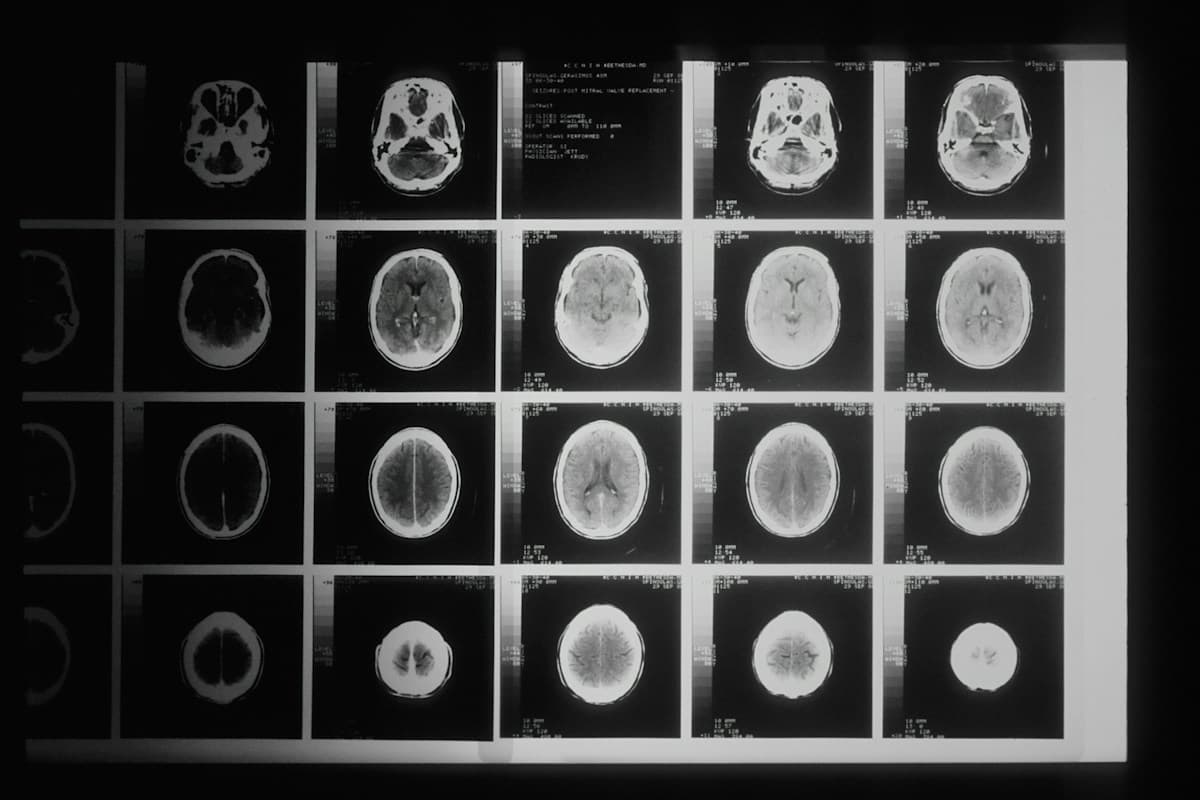
A normal scan does not always rule out a brain injury
CT scans can show skull fractures, bleeding, and swelling, and an MRI can pick up some changes a CT scan misses. But according to the National Institute of Neurological Disorders and Stroke, the imaging and other tests available today can't always detect damage from mild, concussive injuries. The CDC also notes that a brain scan is not needed to diagnose a concussion. So a normal scan does not, by itself, mean you were not hurt.
Common Causes of Brain Injuries
According to the CDC, people most commonly get TBIs from falls, firearm-related injuries, motor vehicle crashes, and assaults, and falls lead to nearly half of TBI-related hospitalizations. The CDC counted 68,663 TBI-related deaths in the United States in 2023. The CDC also notes that its hospital and death counts do not include the many brain injuries treated only in an emergency department, urgent care, or a doctor's office, or never treated at all.
Brain injury claims often arise from:
- Car, truck, and motorcycle crashes
- Pedestrian and bicycle accidents
- Slip and falls, trip and falls, and falls from stairs or ladders
- Being struck by a falling or flying object
- Assaults on property with inadequate security
What to Do After a Head Injury
- Get checked by a doctor: See a healthcare provider as soon as you can, even if you feel all right. Go to the emergency room for any danger sign. After a car crash, you generally must get initial treatment within 14 days for Florida's PIP coverage to pay your medical bills.
- Follow up: Keep your appointments and follow your provider's instructions about rest and returning to work, driving, and sports.
- Keep a symptom journal: Write down headaches, memory lapses, sleep problems, and mood changes as they happen. Small details are easy to forget later.
- Ask the people around you: Family members, friends, and coworkers often notice changes before you do. Their observations can become important evidence.
- Be careful with insurance companies: Report the injury to your own insurer as your policy requires, but think twice before giving a recorded statement to the other side's insurer or signing anything it sends you. Brain injury symptoms can make it hard to describe what happened or how you feel.
- Call a lawyer: Early action helps preserve evidence such as video, crash data, and witness accounts.
How We Prove a Brain Injury Claim
Because brain injuries are hard to see, insurers often question them. A strong claim connects the injury to the incident and shows how it changed your life. Depending on the case, that proof can come from:
- Neurologists (doctors who treat disorders of the brain and nervous system), who examine you and order and interpret tests
- Neuropsychologists, who use testing of memory, attention, processing speed, and problem solving to measure how the injury affects your thinking
- Physical, occupational, speech, and cognitive therapists who treat you and track your progress
- Family members, friends, and coworkers who can describe the changes they have seen
For moderate and severe injuries, a life-care plan can estimate the cost of long-term therapy, supervision, and support at home, and an economist can calculate what those costs are worth in today's dollars. A vocational expert can explain how the injury affects your ability to work and earn a living.
Florida Laws That Affect Brain Injury Claims
Deadline to file a lawsuit
The deadline depends on the type of claim. For injuries caused by negligence that happened after March 24, 2023, Florida generally gives you two years from the date of the injury to file a lawsuit. Injuries on or before that date generally have four years. Other claims, such as medical malpractice, defective product, and wrongful death claims, have their own deadline rules, including when the time starts to run. Claims against a government agency also have notice requirements that must be met before a lawsuit can be filed, and there are limits on damages, so talk to a lawyer as early as possible.
Shared fault
In most negligence cases, Florida uses modified comparative negligence. If you are partly at fault, your recovery is reduced by your share of the blame. If you are found more than 50% at fault, you generally cannot recover anything.
Brain injuries from car crashes
To recover for pain and suffering from the at-fault driver after a car crash, Florida law generally requires that the crash caused a permanent injury (within a reasonable degree of medical probability), significant and permanent scarring or disfigurement, a significant and permanent loss of an important bodily function, or a death. A concussion that heals completely may not meet this standard. A brain injury with lasting effects may meet it, but the proof has to come from medical evidence. Even if your injury does not meet that standard, you can still claim from the at-fault driver the medical bills and lost income that PIP does not cover. Florida appeals courts have held that this standard does not apply to a motorcycle rider suing a driver, because PIP does not cover riders.
Earlier injuries and health conditions
Insurers often point to an earlier concussion or another health problem. Under Florida law, if an injury makes an existing condition worse, you can recover for the harm the injury caused or made worse. If a jury cannot separate the old condition from the new harm, Florida's jury instructions allow damages for the entire condition.
What Compensation Can You Recover?
Every case is different, but compensation in a Florida brain injury claim can include:
- Past and future medical expenses
- Therapy and cognitive rehabilitation
- In-home care and supervision
- Lost wages and lost earning capacity
- Pain and suffering, disability, and mental anguish
- Loss of enjoyment of life
- Loss of consortium for a spouse
For most injuries from a car crash, pain and suffering and similar losses can be recovered from the at-fault driver only if the injury meets the standard described above.